
Naturalist Blue
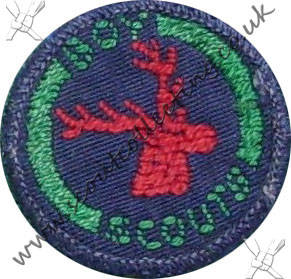
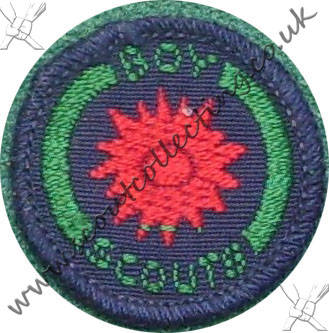
Naturalist Scout Badge Blue Woven and Bound 1934 to 1947
The Naturalist Badge was worn on right arm in between the
shoulder and elbow.
To earn this badge a scout must do the following*
Have a thorough knowledge
of:
(1) Explain in his own words
and from his own observations: The fertilisation and development of a wild
flower and one of the following: the development of the frog, toad or newt; the
life history of an insect, spider or fish
; the development, habits, songs or
call-notes of six birds; the habits of four wild mammals; the habits of some of the creatures of the
pond.
(2) Either keep a nature
diary of two of the seasons spring, summer, autumn and winter giving records with dates and places of not less
than 10 birds, 10 plants, 10 trees, and 1o butterflies or moths and a short account of other animals
which have been seen; and illustrate the records with pencil sketches, carbon
impressions of leaves, or pressed
specimens.
In towns one of the following
alternatives may be selected in place of the nature diary. The D.C. shall
decide whether the area may be considered a town for the purpose of this badge.
Make a collection of 30 different species of wild flowers, ferns and
grasses, dried and mounted, giving names, places and dates, and recognise them
as well as give a short description of 10 of the specimens.
Make a collection of photographic or carbon impressions or sketches of
leaves of 20 trees, giving names, places and dates, and recognise them and give
a description of the appearance of10 of the trees from which they came.
Make 10 sketches of animals or birds from life, and give the life
history of five of them. Name 60
different kinds of mammals, birds, reptiles,
fishes or insects in a Museum or Zoological Gardens, or from unnamed coloured plates, and give particulars
of the lives, habits, appearance and
markings of 20 of them.
*The Requirements for each badge varied through issues of POR.
 More badges...
 Top of page


